Source Portable Outdoor Dunk Tank for Resorts, Parks, and Events
Find 30 portable outdoor dunk tank options from Guangdong suppliers. Compare metal and PVC models with custom sizes, digital printing logos, and CE certification for commercial and residential use; compare the available evidence and request quotations based on your requirements.
Key considerations
Products List
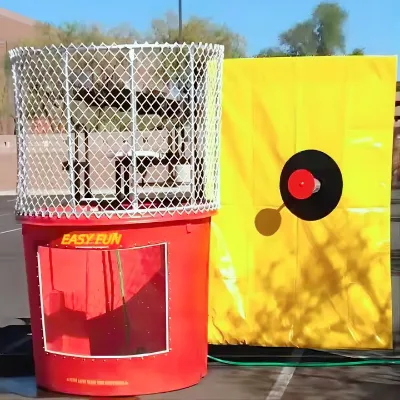
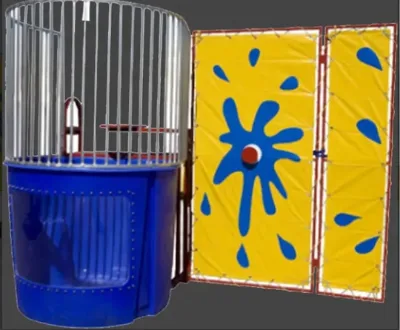
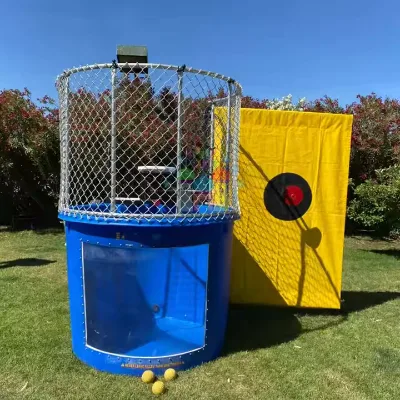
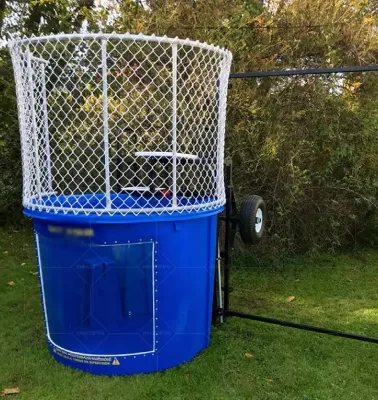
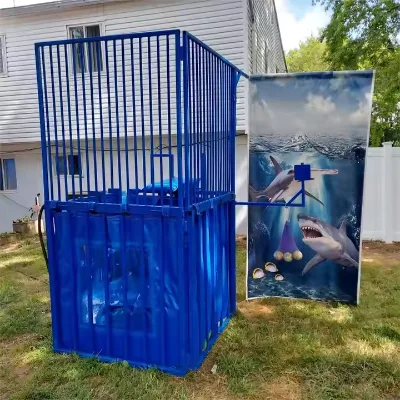
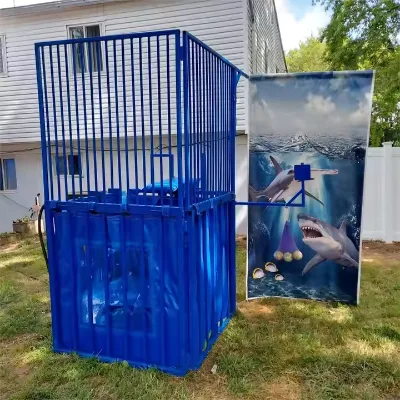
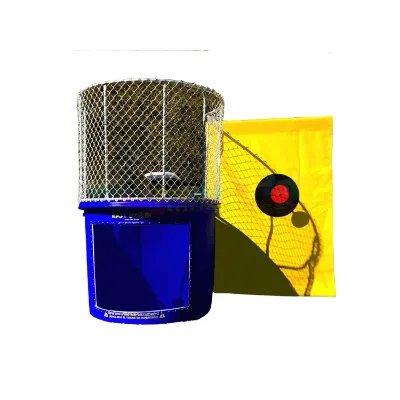
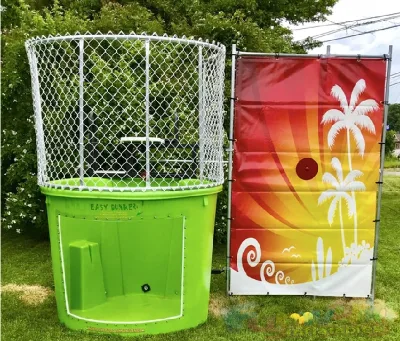


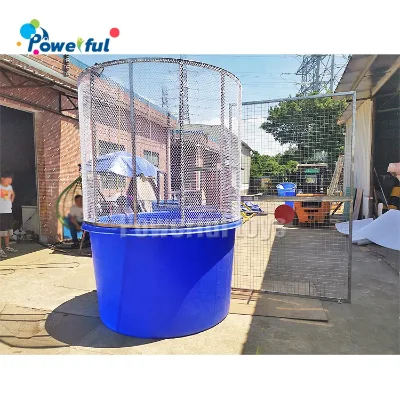
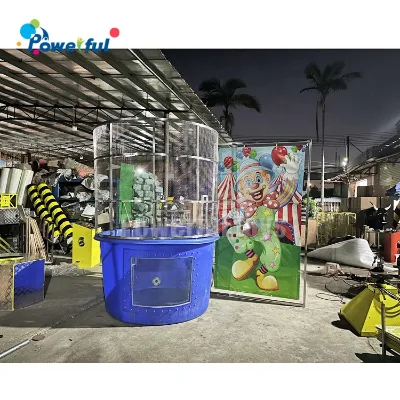
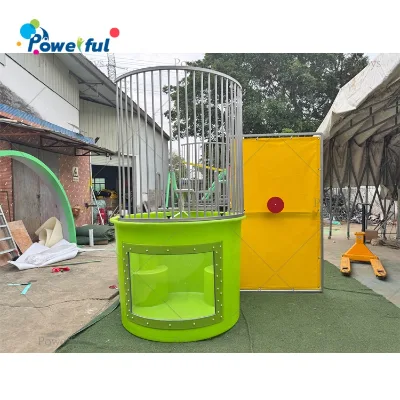


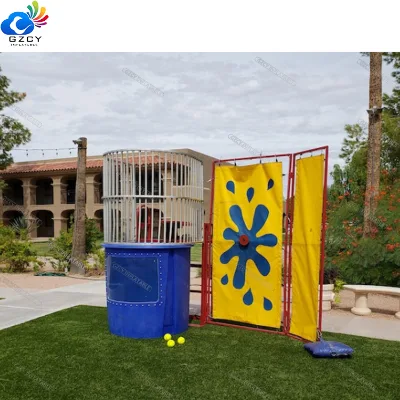
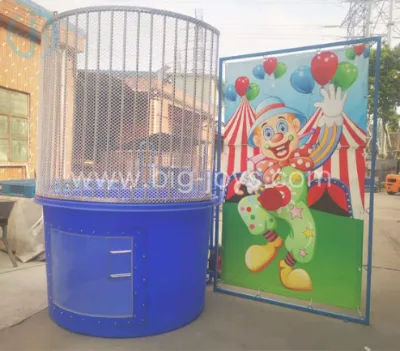
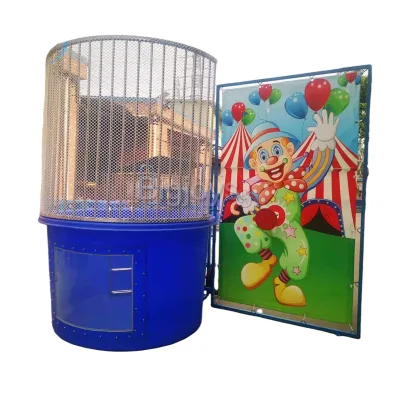
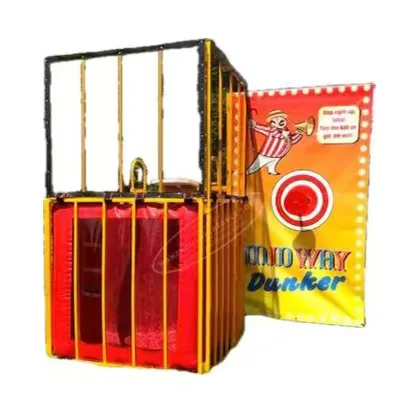

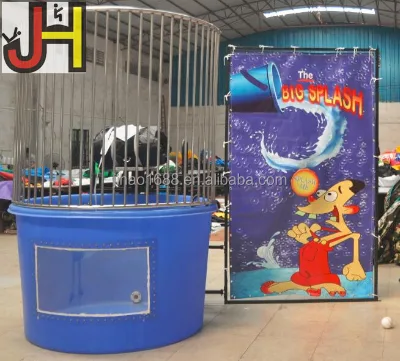


Comprehensive Sourcing Guide
Portable Outdoor Dunk Tank Sourcing Guide
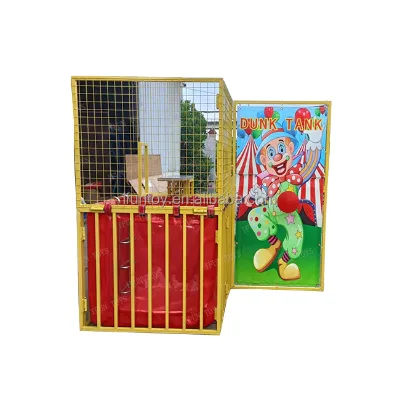
Sourcing a portable outdoor dunk tank requires careful evaluation of structural integrity and material durability, as these units serve high-impact recreational environments. Buyers must distinguish between rigid metal-frame models and inflatable alternatives, as the supplied data indicates a strong presence of metal, PP, and PVC constructions. The observed product attributes highlight a focus on commercial and resort applications, suggesting that procurement teams should prioritize units designed for heavy foot traffic and frequent use. Understanding the specific material composition is the first step in ensuring the equipment can withstand the physical demands of outdoor entertainment venues without compromising safety or aesthetic appeal.
The market offers significant customization options, including digital printing for logos and customized colors, which allows brands to align the equipment with their visual identity. However, buyers should verify that the customization process does not compromise the structural integrity of the tank or the safety of the water mechanism. The presence of OEM and ODM support indicates that manufacturers are willing to tailor specifications, but this requires clear communication of technical requirements early in the sourcing process. Procurement teams must balance aesthetic desires with functional necessities, ensuring that any custom features, such as specific sizes or passenger capacities, remain within the safe operational limits defined by the manufacturer.
Product Scope and Observed Listing Signals
The observed product listings reveal a diverse range of specifications, with capacities varying from under 100kg to over 200kg, indicating that buyers must carefully match the unit to their intended user demographic. The allowable passenger count ranges from less than five to four to six persons, which directly impacts the structural load requirements and the complexity of the tipping mechanism. Buyers should note that while some listings describe the product as a "giant" feature, others emphasize eco-friendly materials, suggesting a market split between large-scale commercial installations and smaller, environmentally conscious setups. This variation necessitates a thorough review of each supplier’s specific product data sheet to ensure the selected model meets the expected usage intensity.
Location data confirms that the majority of these units originate from Guangdong, China, a hub for manufacturing recreational equipment. This geographic concentration often implies established supply chains for metal and plastic components, but it also requires buyers to be vigilant about quality consistency across different suppliers. The observed price range of 20 to 9999 USD reflects this diversity, with lower prices likely corresponding to smaller, simpler units and higher prices associated with larger, more complex commercial-grade tanks. Buyers should use this range as a benchmark for negotiation but must not assume that a higher price automatically guarantees superior safety features or longer warranty periods without independent verification.
Technical Specifications to Verify
When evaluating technical specifications, the size of the dunk tank is a critical factor, as listings indicate that customized sizes are widely accepted. Buyers must provide precise dimensions to ensure the unit fits within their designated outdoor space, considering not only the footprint but also the clearance required for the tipping mechanism and spectator areas. The material composition, often listed as metal combined with PP and PVC, requires verification of the thickness and grade of each component. Metal frames should be inspected for corrosion resistance, while plastic and PVC parts must be checked for UV stability and impact resistance to ensure longevity in outdoor environments exposed to sunlight and water.
The functional aspects of the dunk tank, such as the water capacity and the triggering mechanism, are not always detailed in standard listings. Buyers should request specific technical drawings or operational manuals to understand the hydraulic or mechanical systems involved in the tipping action. Additionally, the electrical requirements for any automated components must be clarified, especially if the unit is to be used in locations with varying power standards. The warranty period, typically listed as one year, should be examined to determine what specific parts are covered and whether extended warranty options are available for high-use commercial applications.
Compliance and Safety Documentation
Safety is paramount in the procurement of interactive outdoor games, and buyers must ensure that all dunk tanks comply with relevant local and international safety standards. While CE certification is mentioned in the observed data, buyers should verify the scope of this certification and whether it covers the specific model and configuration being purchased. It is essential to request test reports that demonstrate the structural stability of the tank under load and the reliability of the safety mechanisms that prevent accidental tipping or injury. These documents provide objective evidence of the manufacturer’s commitment to safety and can be crucial for insurance purposes and regulatory approvals in the buyer’s jurisdiction.
Age suitability is another critical compliance factor, with listings indicating an age range of 3+ and suitability for both kids and adults. Buyers must assess whether the design includes appropriate safety guards, non-slip surfaces, and secure seating arrangements to protect younger users. The allowable passenger count must be strictly enforced, and suppliers should provide clear guidelines on weight distribution and operational procedures. Procurement teams should also inquire about the availability of safety manuals and training materials that can be provided to venue staff, ensuring that the dunk tank is operated correctly and that users are aware of the safety rules.
Cost Drivers and Commercial Terms
The cost of a portable outdoor dunk tank is influenced by several factors, including the size, material quality, and level of customization. Buyers should expect higher costs for units with larger capacities, custom colors, and digital printing services, as these require additional manufacturing steps and materials. The observed MOQ of 1 to 5 sets suggests that suppliers are flexible, but bulk orders may offer better pricing. It is important to clarify whether the quoted price includes all necessary components, such as the water pump, hoses, and safety accessories, to avoid unexpected additional costs during the setup phase.
Shipping and logistics are significant cost drivers, especially for large and heavy units. The observed shipping options, including DHL, EMS, UPS, FedEx, sea, and air freight, offer various trade-offs between speed and cost. Buyers should calculate the total landed cost, including duties and taxes, to make an informed comparison between suppliers. The delivery way is often customer-decided, which allows for flexibility but requires careful planning to ensure timely arrival. Buyers should also confirm the packaging details to ensure that the unit is protected during transit, minimizing the risk of damage and associated replacement costs.
Supplier Qualification and Quality Control
Supplier qualification is a critical step in the sourcing process, requiring a thorough assessment of the manufacturer’s capabilities and reputation. Buyers should verify the supplier’s experience in producing outdoor entertainment equipment and request references from previous clients, particularly those in similar industries such as resorts or commercial parks. The presence of OEM and ODM support indicates a level of manufacturing flexibility, but buyers should also assess the supplier’s quality control processes to ensure consistent product quality. This includes checking for ISO certifications, production line audits, and final inspection protocols that guarantee each unit meets the specified standards.
Quality control should extend to the raw materials used in the construction of the dunk tank. Buyers should request material certificates for the metal, PP, and PVC components to verify their quality and safety. It is also important to inspect the finish and assembly of the unit, looking for any signs of poor craftsmanship or potential safety hazards. Buyers may consider conducting pre-shipment inspections or hiring third-party inspection services to verify the quality of the goods before they are shipped. This proactive approach helps mitigate the risk of receiving defective products and ensures that the investment is protected.
Long-Term Procurement Checks
Long-term procurement success depends on establishing a reliable supply chain and maintaining strong relationships with suppliers. Buyers should consider the availability of spare parts and the supplier’s responsiveness to service requests, as downtime can significantly impact revenue in commercial settings. The one-year warranty is a standard offering, but buyers should negotiate for extended coverage or service level agreements that include regular maintenance checks. This ensures that the dunk tank remains in optimal condition and reduces the risk of unexpected failures during peak usage periods.
Continuous monitoring of supplier performance is essential for identifying potential issues early and addressing them before they escalate. Buyers should track metrics such as delivery times, product quality, and customer support responsiveness to evaluate the supplier’s reliability over time. Regular communication with the supplier can also provide insights into new product developments or improvements that may benefit the buyer’s operations. By maintaining a proactive approach to supplier management, buyers can ensure a steady supply of high-quality dunk tanks and maximize the return on their investment in outdoor entertainment equipment.
FAQs
What materials are used for portable outdoor dunk tanks?
Portable outdoor dunk tanks are typically constructed from a combination of metal frames and PVC or PP materials. This durable mix ensures structural stability while allowing for customized colors and designs. The materials are selected for their resilience in outdoor environments, supporting safe and interactive play for various age groups.
Can I customize the logo and color of the dunk tank?
Yes, customized logos and colors are available for these units. Buyers can request specific branding through digital printing or custom logo printing services. The product supports OEM and ODM requests, allowing for tailored designs that match your event theme or corporate identity, ensuring a unique and professional appearance.
What is the minimum order quantity for these dunk tanks?
The minimum order quantity is generally one set or piece. This low MOQ allows buyers to test the product or purchase single units for specific events. It provides flexibility for small-scale commercial operations or individual buyers looking to acquire a single unit for residential or commercial outdoor entertainment purposes.
Are these dunk tanks suitable for both kids and adults?
Yes, these dunk tanks are designed for both kids and adults. They are categorized as active play toys suitable for various age groups, including those aged three and above. The sturdy construction and interactive nature make them ideal for family-friendly events, commercial parks, and resort hotels seeking engaging outdoor activities.
What certifications do these dunk tanks hold?
These dunk tanks typically hold CE certification, indicating compliance with European safety standards. This certification ensures that the product meets specific quality and safety requirements for outdoor entertainment equipment. Buyers can rely on this standard for assurance of product safety and regulatory compliance when importing or using the equipment in various markets.
How is the dunk tank packaged for shipping?
The dunk tank is packaged in a manner suitable for safe transport, with customized packaging options available. Buyers can choose from various shipping methods including DHL, EMS, UPS, FedEx, by sea, or by air. The packaging is designed to protect the product during transit, ensuring it arrives in good condition for immediate setup and use.
What is the warranty period for the dunk tank?
The warranty period for the dunk tank is one year. This coverage provides buyers with assurance regarding the product's durability and performance during its initial year of use. It reflects the manufacturer's confidence in the quality of materials and construction, offering peace of mind for commercial and residential buyers investing in outdoor entertainment equipment.